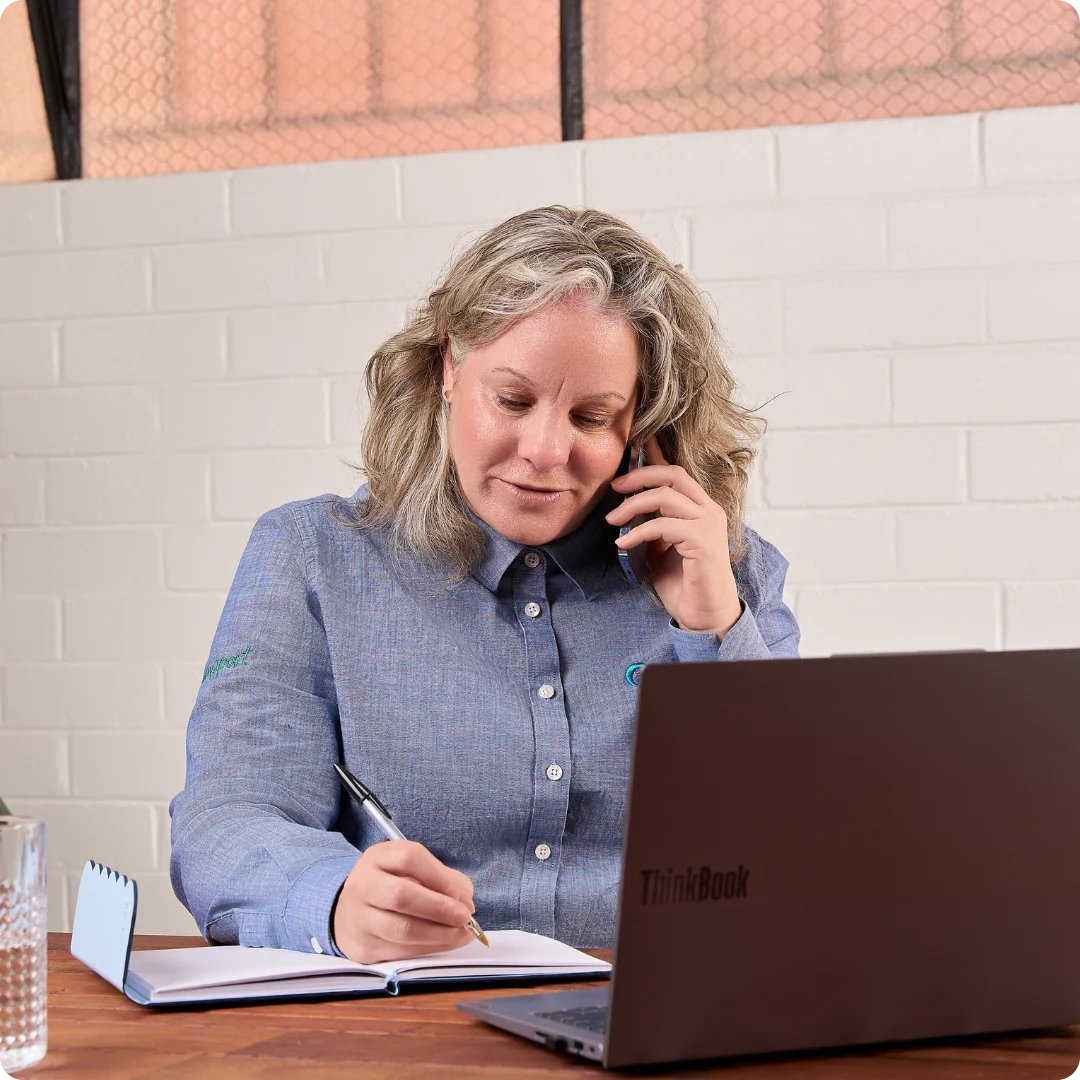
Sarah's story of hope
One Easter Friday, I went to my auntie’s house for lunch. Not long after eating, I started getting sulphur burps, pain under my ribs, fatigue, and hot flushes that wouldn’t settle. Over the next two weeks, everything got worse. My calves suddenly locked up so tightly that I lost the ability to walk. At first, I thought it was just muscle soreness from a leg day at the gym until I literally couldn’t stand. I needed a walking frame just to move.
I went to one hospital emergency room, and they sent me home with a misdiagnosis of myositis. I knew something wasn’t right, so I went to a different hospital. After several scans, they found blood clots in both of my legs and in my lungs. I was discharged from the public hospital on blood thinners and told it would take a long time to heal.
But the pain under my ribs continued, and I pushed for more answers. I went to a private hospital, and after a CT and MRI, they found a tumour. That’s when I was diagnosed with Stage 4 incurable metastatic cholangiocarcinoma, a cancer they couldn’t operate on, with a prognosis of six months and systemic chemotherapy for palliation.
I remember the feeling: impending doom, anger, shock, disbelief. I couldn’t process that this was happening to me. I felt inconsolable. I felt ripped off in life. I had taken care of my body, went to the gym, I ate well, I’ve done lots of emotional work on myself. I was a fitness coach. I felt inconsolable.
One of the nurses handed me a Pancare pamphlet, and as soon as I got home, I called to make an appointment with their nurse and counsellor. My sister also found cholangio.org and connected me with Steve Holmes, a stage‑4 cholangiocarcinoma survivor. Speaking with him and his wife gave me comfort, understanding, and hope. I also believe in the healing power of prayer, and that has helped me to keep moving forward on my journey.
The support that has meant the most to me has been the emotional and practical help. Pancare offered one‑on‑one counselling that helped me process the grief and trauma around my diagnosis and treatment. They also connected me with financial advisors because I had a lot of stress about my future, so this was invaluable.
My most recent scan showed that the chemotherapy is working. The cancer has responded extremely well, the tumour is shrinking, and I’ve been told I will live longer than expected.
I’m still in the thick of chemotherapy and immunotherapy, and there’s a long road ahead. But I have hope. The treatment is working, and once I finish this phase, I may be offered even better options.
Stay closely connected with your oncology team and an Integrative Naturopathic Practitioner. They’re the ones who will guide your treatment. But when it comes to timelines, hold them lightly. No one can predict your exact path, and every person’s journey is different.
Click here to discover more stories of hope!
Want to talk?
Speak to an upper GI cancer nurse or counsellor, we're here to provide you with the support you need. Support available to anyone impacted by upper gastrointestinal (GI) cancer. Monday to Friday, 9am-5pm.